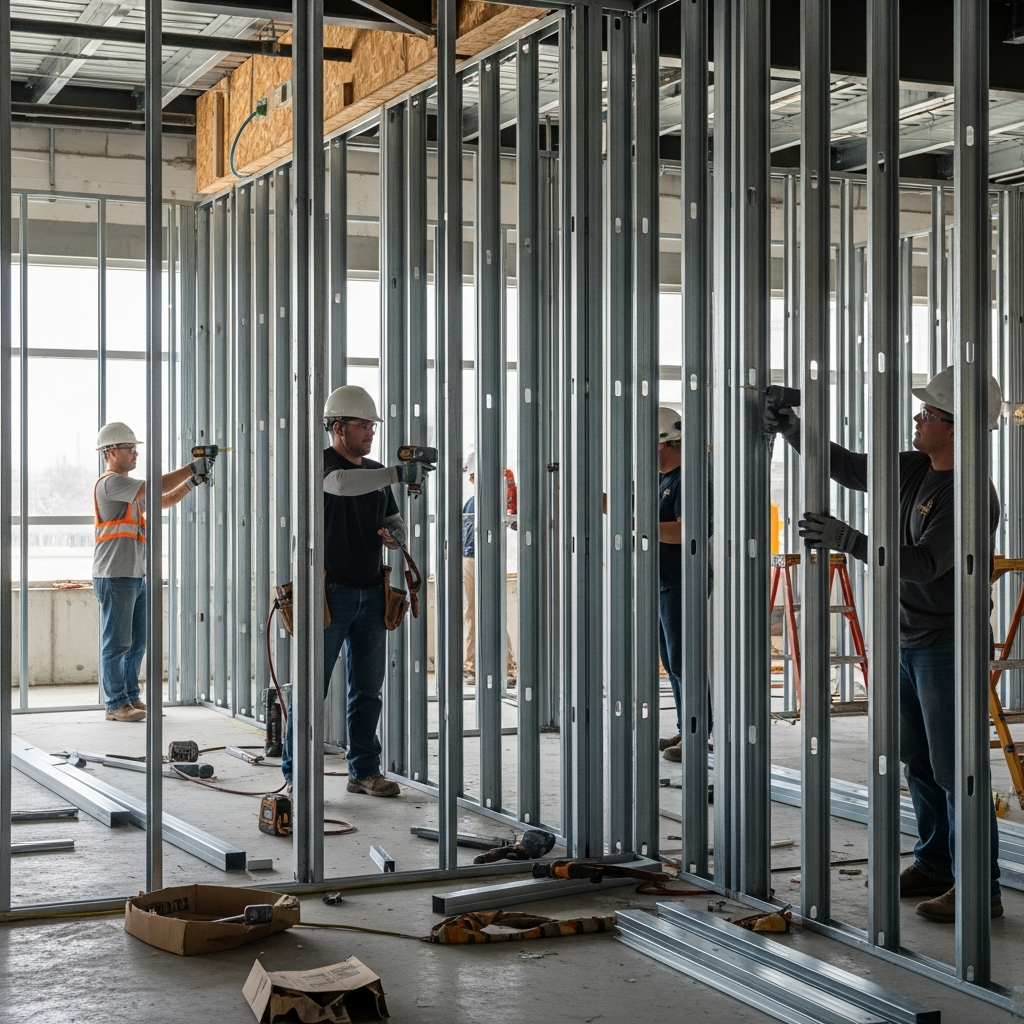
Coordinating Steel Stud Framing With Mechanical, Electrical and Sprinkler Trades
Good interior framing leaves every trade a workable path and resolves backing, openings and rated details before the board closes the wall.
Read the guide →Straight answers built from field experience—not recycled listicles.
Good interior framing leaves every trade a workable path and resolves backing, openings and rated details before the board closes the wall.
Read the guide →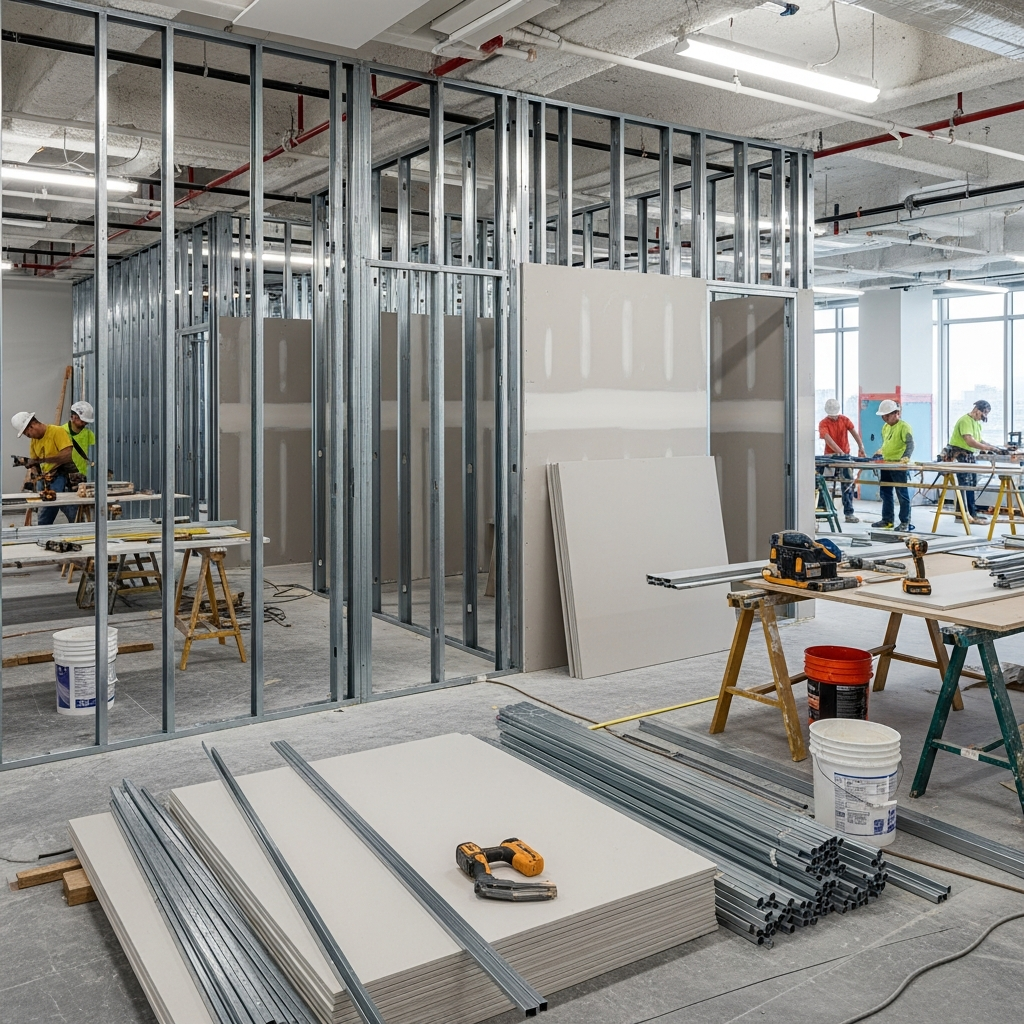
A phased plan protects occupants, keeps essential routes open and creates clean handoffs while an office, store or strata property remains in operation.
Read the guide →
Steel framing is straight, dimensionally stable, non-combustible and recyclable—but the performance of any wall or ceiling still depends on the complete specified assembly.
Read the guide →
The right floor is selected around traffic, moisture, acoustics, maintenance, substrate condition, transitions and the way the occupied property will actually be used.
Read the guide →Both systems can produce excellent interiors. The right choice depends on the building, wall height, services, moisture exposure, fire and acoustic requirements, available fastening points and the finish expected.
Read the guide →
The best ceiling is the one that balances appearance, access, acoustics, height and long-term maintenance for the actual space.
Read the guide →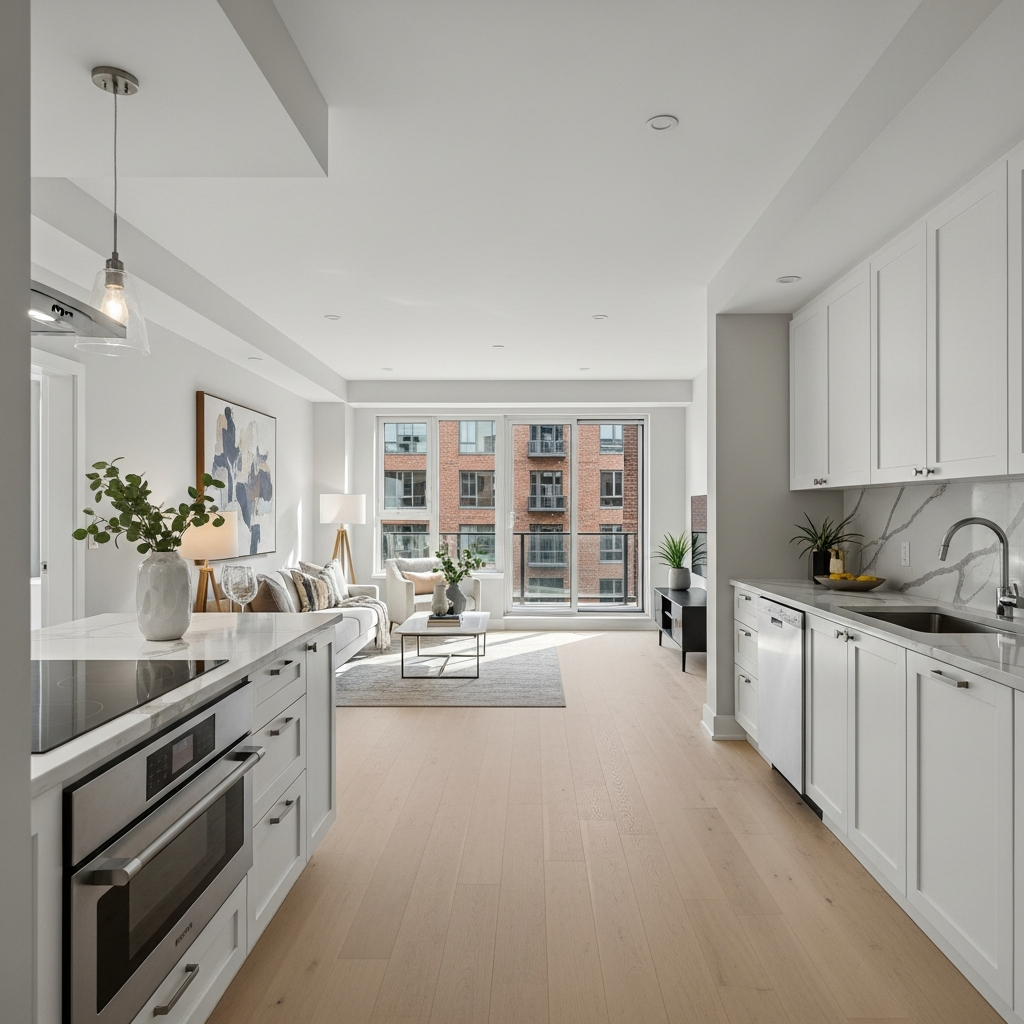
Condominium work is construction inside an operating community. Access, approvals, noise, elevators, protection and cleanup must be planned alongside the framing and drywall.
Read the guide →A successful tenant improvement is a coordinated sequence. Decisions made before framing protect the schedule when mechanical, electrical, ceilings and finishes arrive.
Read the guide →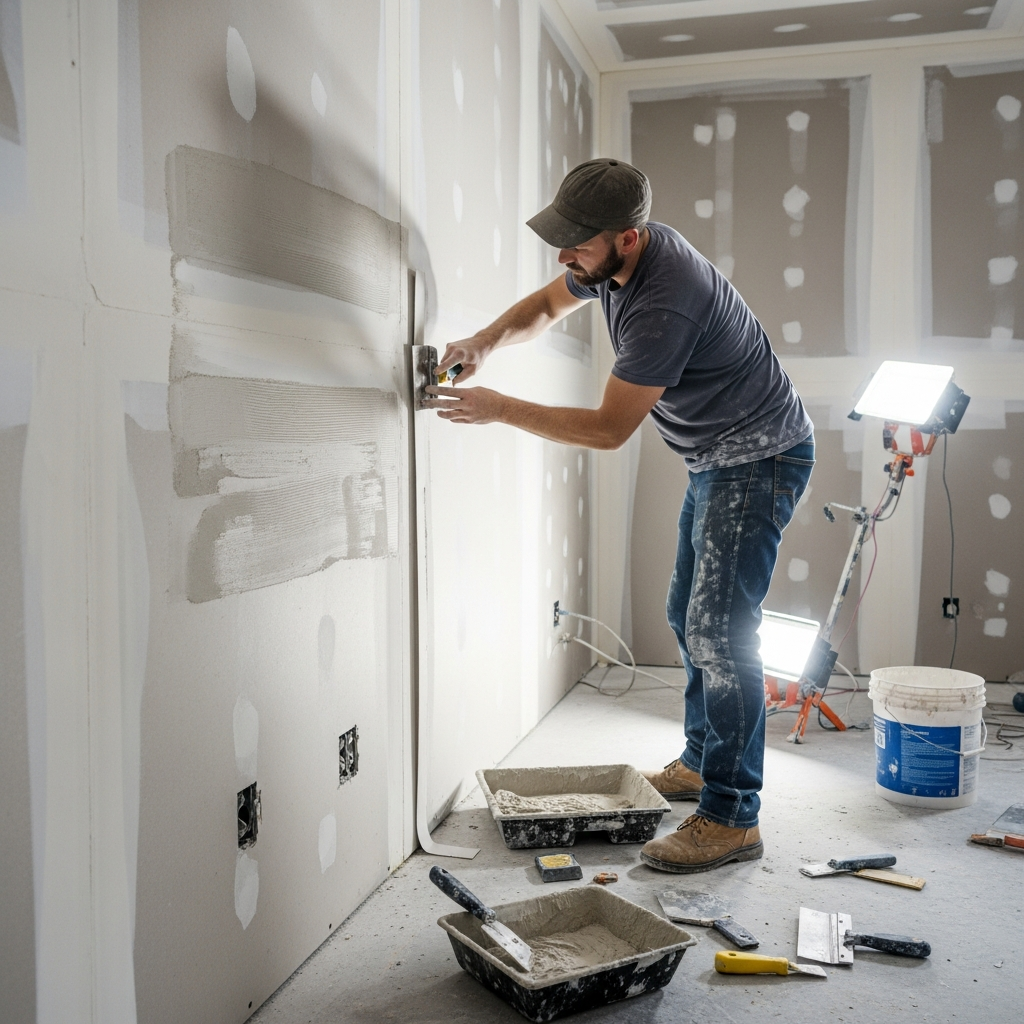
The correct drywall finish depends on lighting, paint sheen, surface visibility and the final decoration. Higher numbers do not automatically mean every wall needs the highest level.
Read the guide →Quiet walls come from complete assemblies and careful details. A single acoustic product cannot compensate for open gaps, rigid shortcuts or untreated penetrations.
Read the guide →Fire-rated walls and ceilings are systems. Studs, board type and layers, fasteners, joints, head details, penetrations and continuity must match the required design.
Read the guide →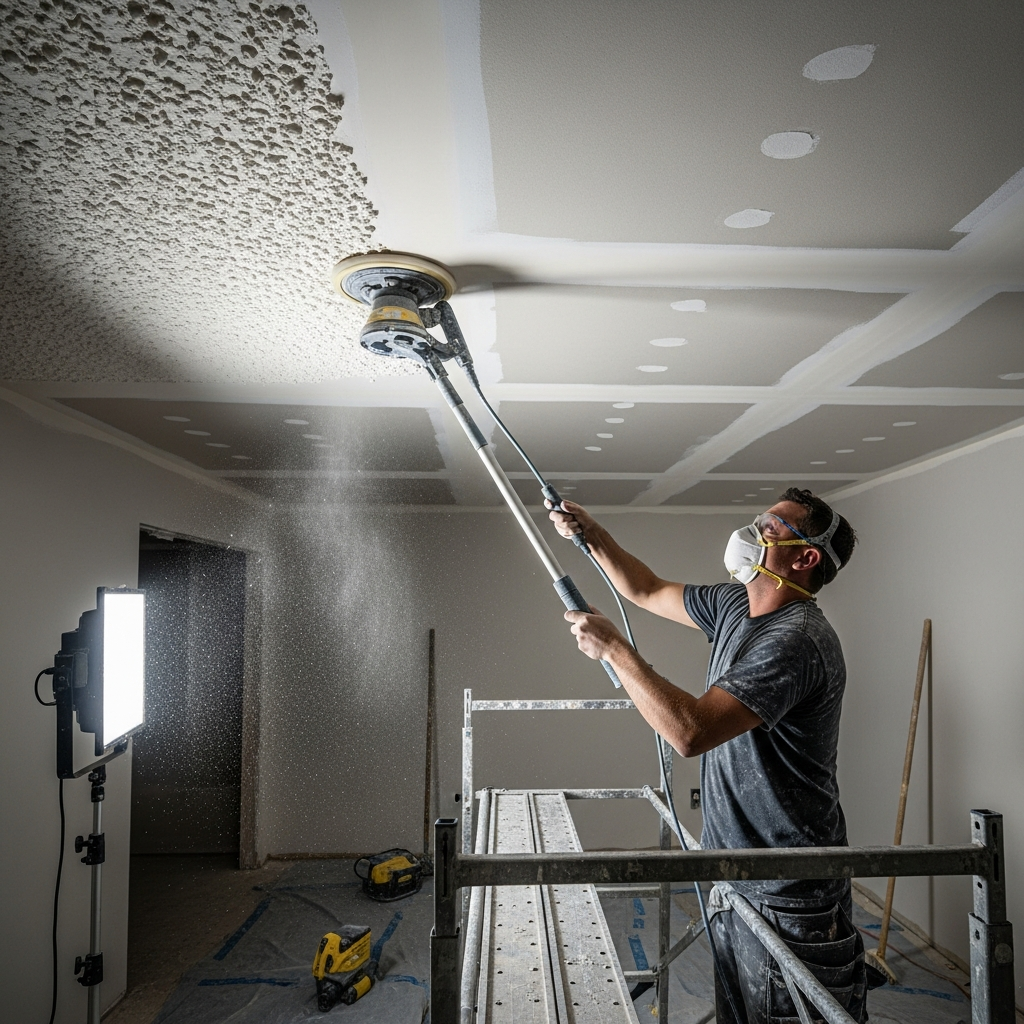
The right approach depends on adhesion, damage, previous coatings, ceiling flatness, service access and the finish expected under the room’s lighting.
Read the guide →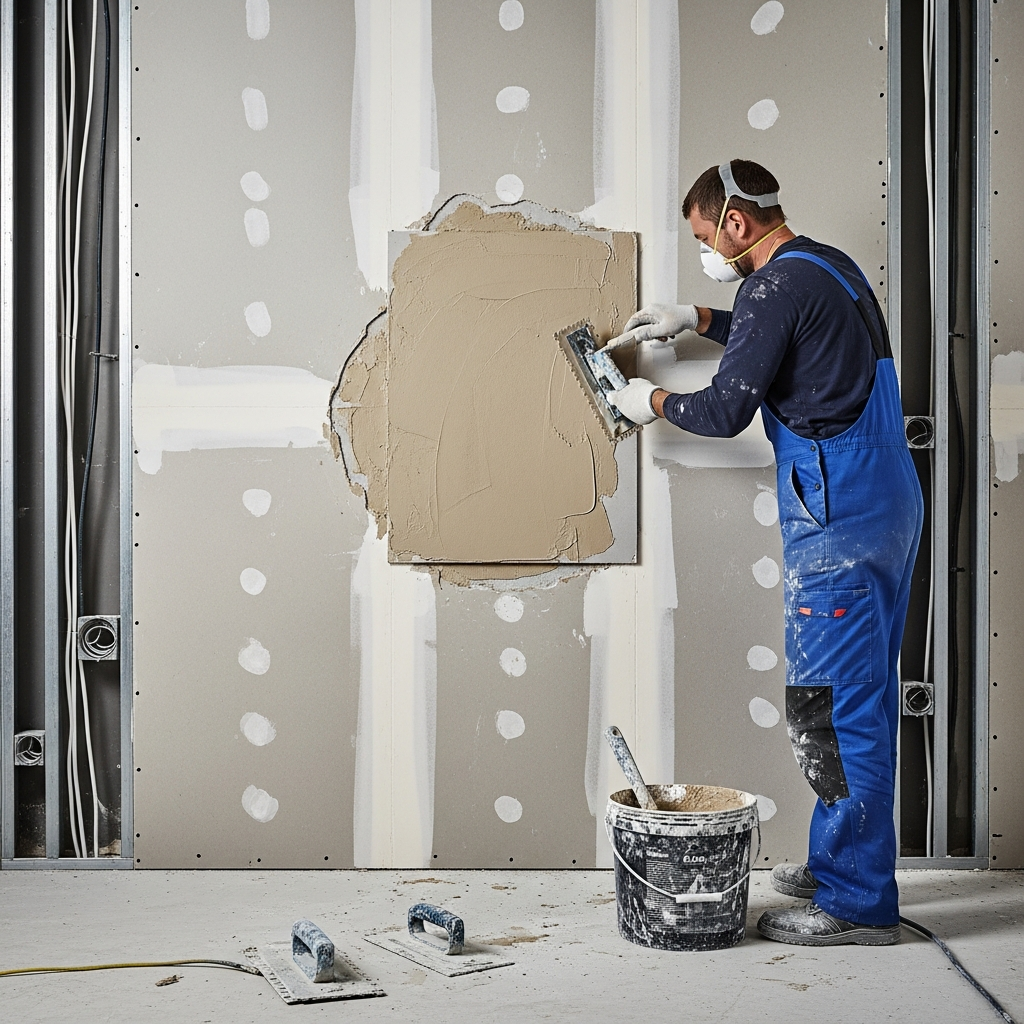
A hole in the wall rarely stays simple. Behind the drywall there can be wiring, plumbing, insulation and framing damage that a quick fill-and-paint job will not catch, and a rushed patch often needs to be redone within a year.
Read the guide →Water damage rarely stops at what you can see. Hidden moisture in framing and insulation can keep causing problems long after the visible stain is patched over, which is why an assessment matters more than a quick paint job.
Read the guide →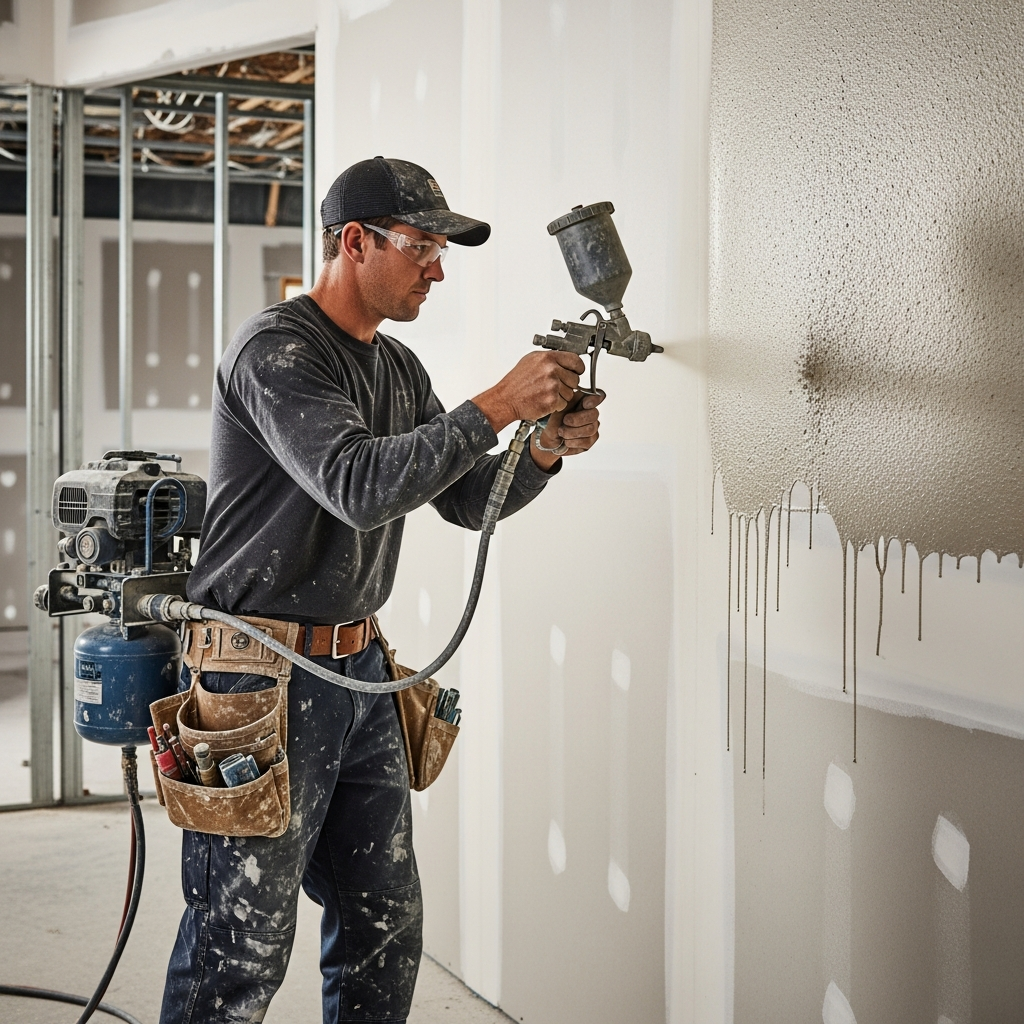
A repair can be structurally perfect and still stand out if the texture does not match. Getting it right takes the right tools, technique and an eye trained on the specific pattern in your home, not a generic spray can from the hardware store.
Read the guide →Speak directly with an experienced Metro Vancouver contractor about steel framing, drywall, ceilings and coordinated interior construction.